
Commercial Packaging
The packaging concerned
Packaging Subject to the EPR Producer Responsibility ( EPR Commercial Packaging
With the implementation of the EPR commercial packaging on July 1, 2026, the distinction between household and commercial packaging will no longer depend on the distribution channel, but on the type of product being packaged.

Label your packages
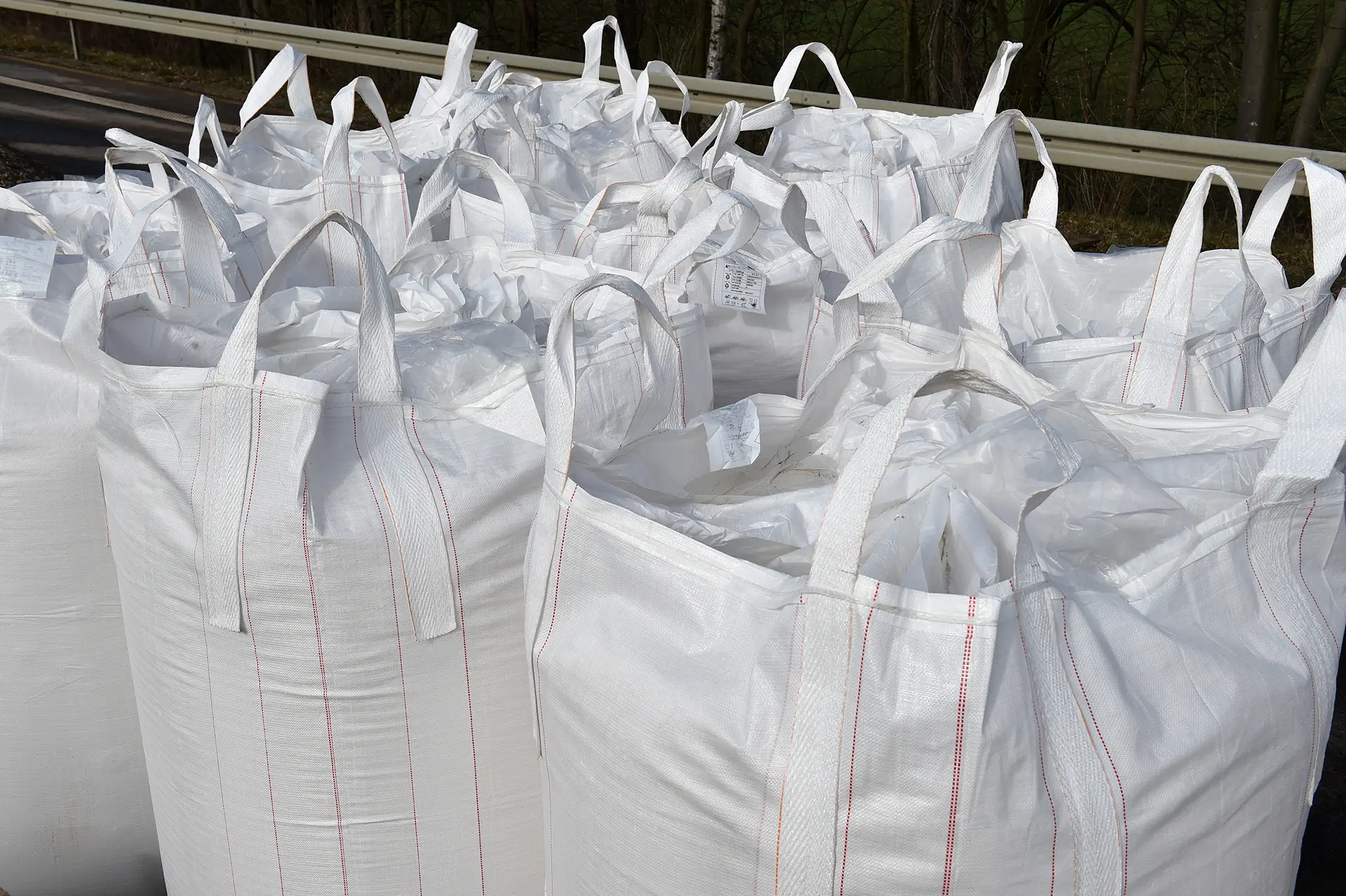
Large containers and high-capacity containers
Bulk, flexible, or rigid

Plastic containers and crates larger than 15 L
Seafood crates, Gastronorm containers
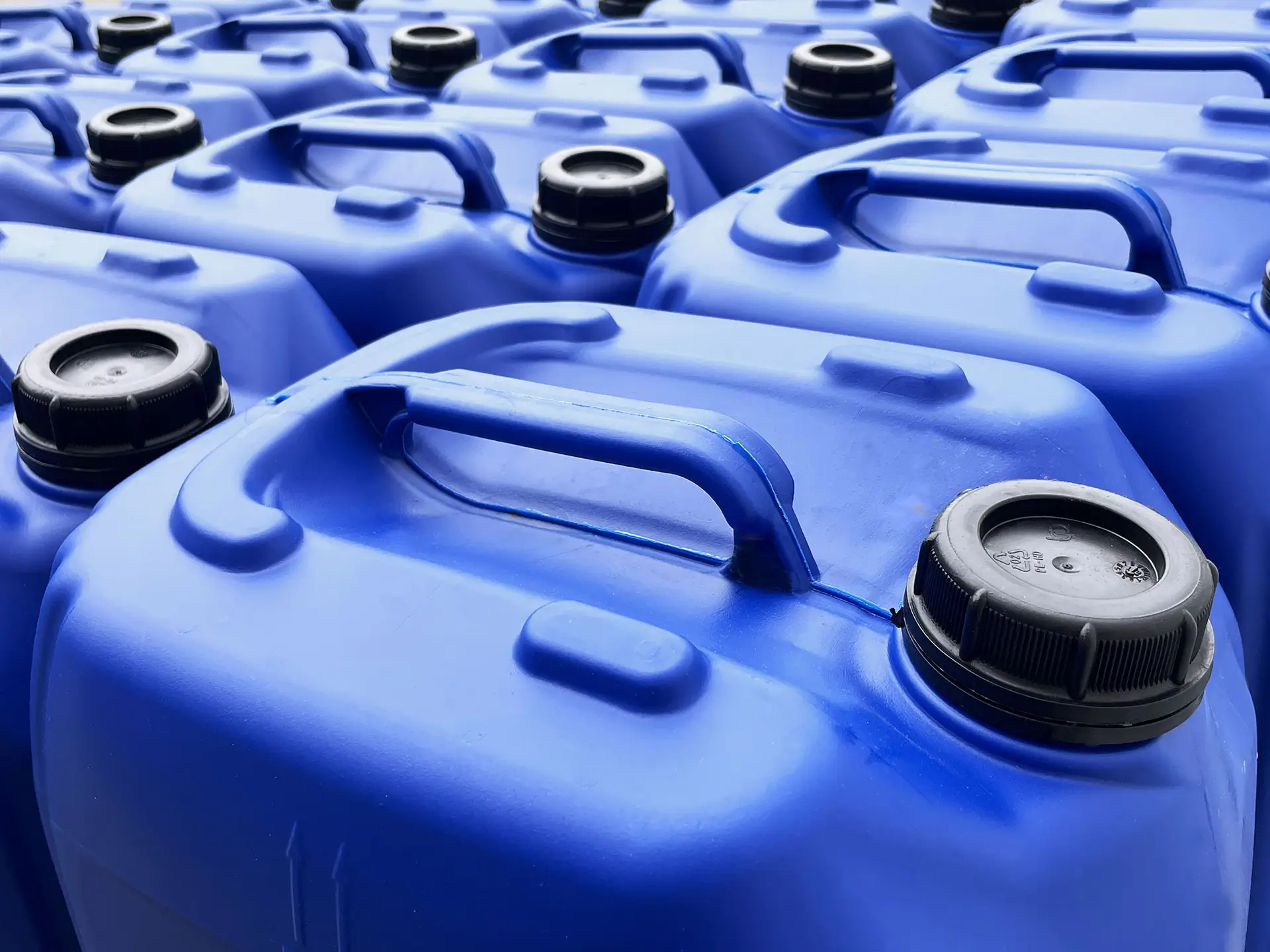
Barrels, pails, jerry cans, and cans
> 29 L, octabins

In-Store Advertising
Serves a packaging function

Pallets, trays, straps
And palletizing components
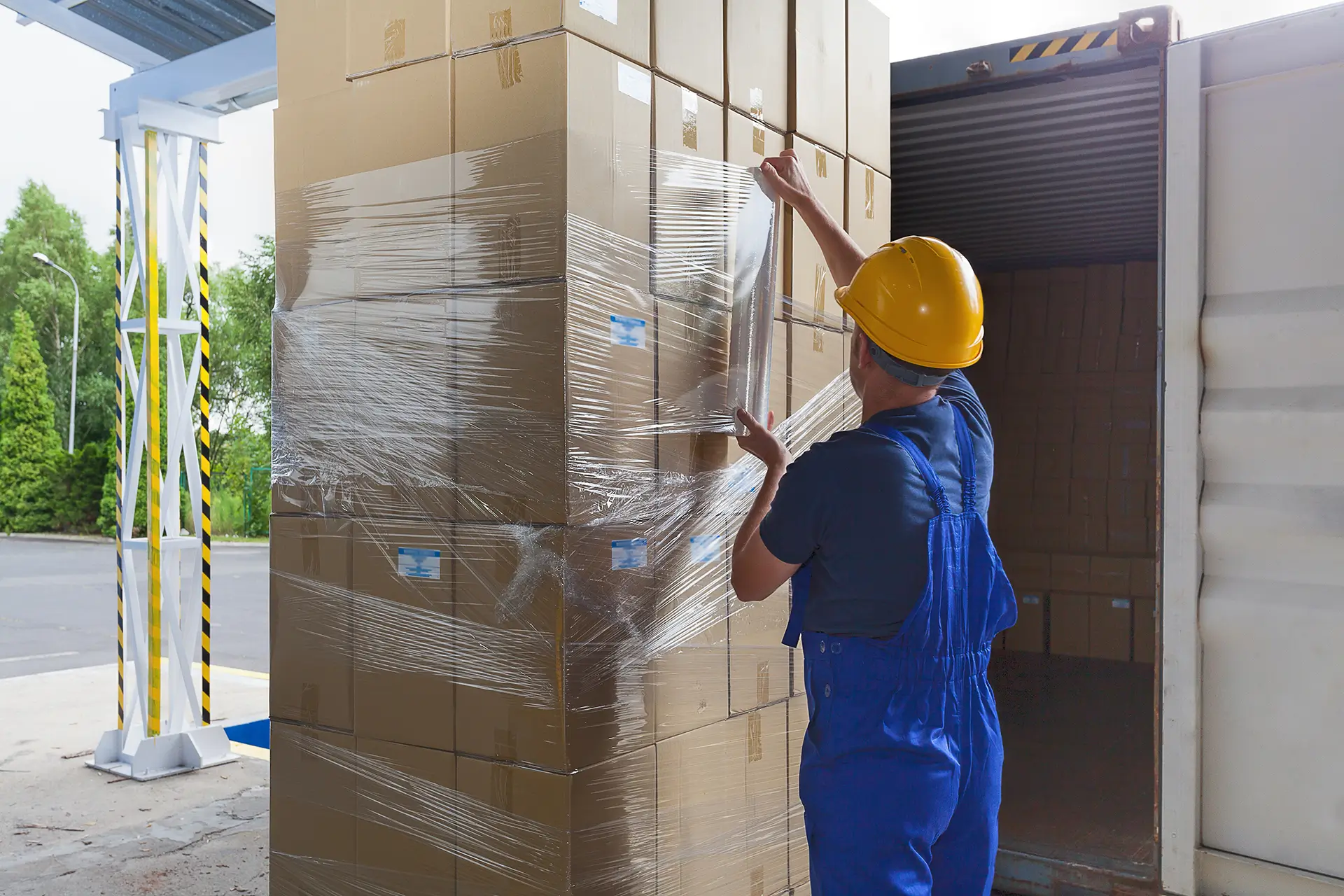
Packaging for Inter-Company Transport and Shipping
Excluding e-commerce targeting households
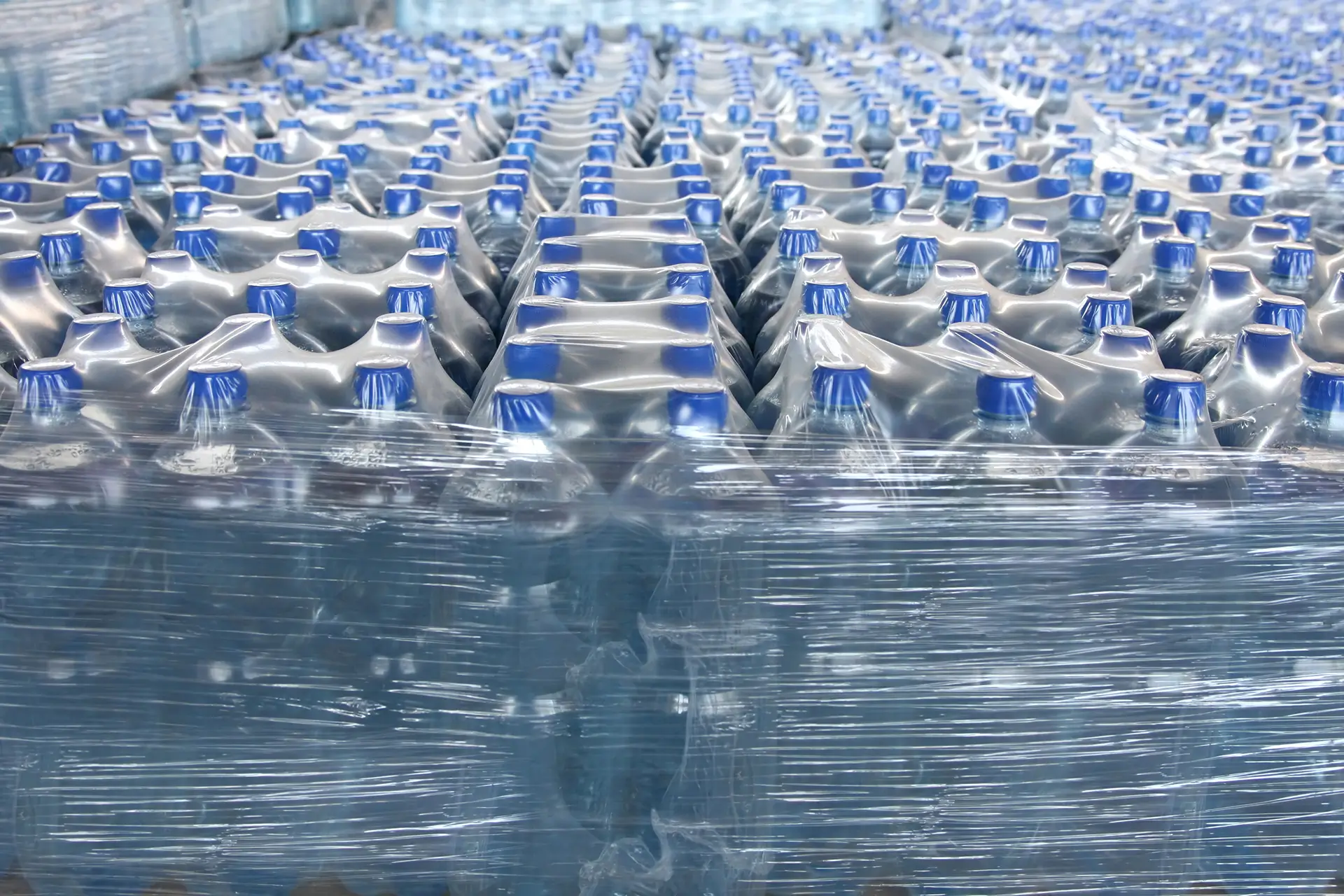
Bundled Packages

Glass packaging specifically designed for the medical and veterinary sectors
Designed for use exclusively in healthcare facilities, laboratories, or animal breeding facilities

Retail packaging intended exclusively for professional use
For technical equipment, industrial products, professional devices, or specialized supplies

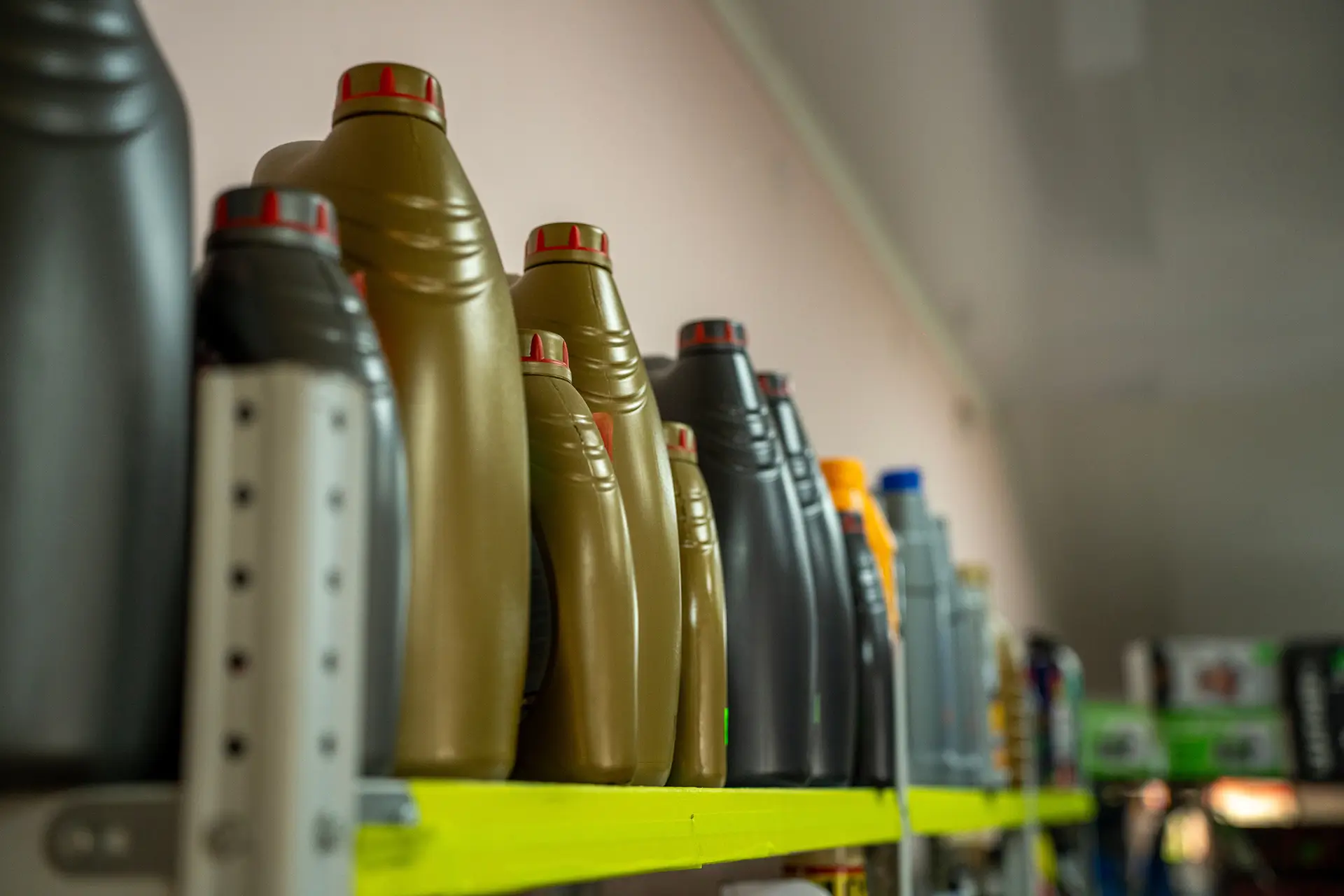
Mineral Oil Containers
Or synthetic or lubricating
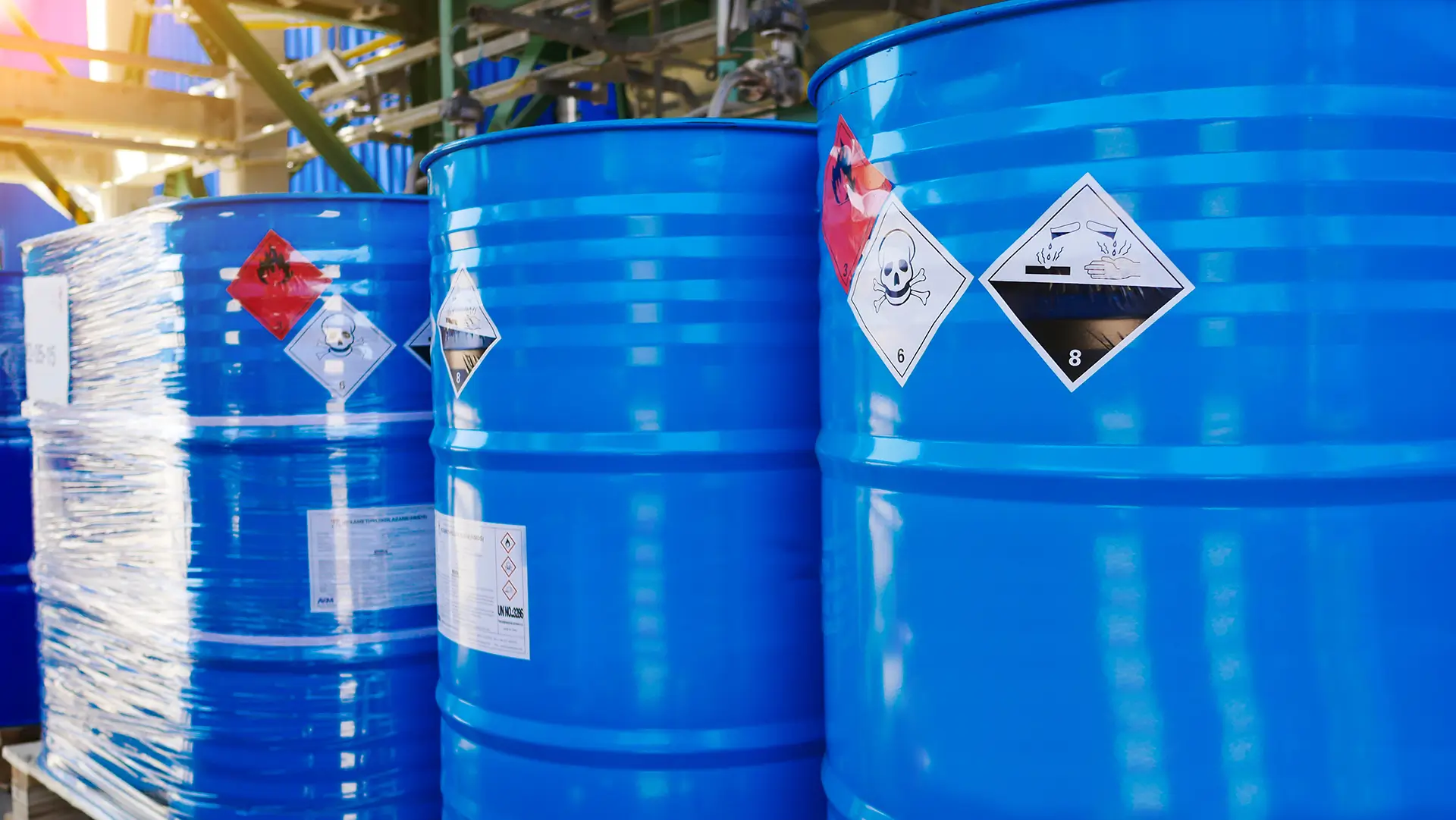
Chemical Packaging
May pose a significant risk to health and the environment
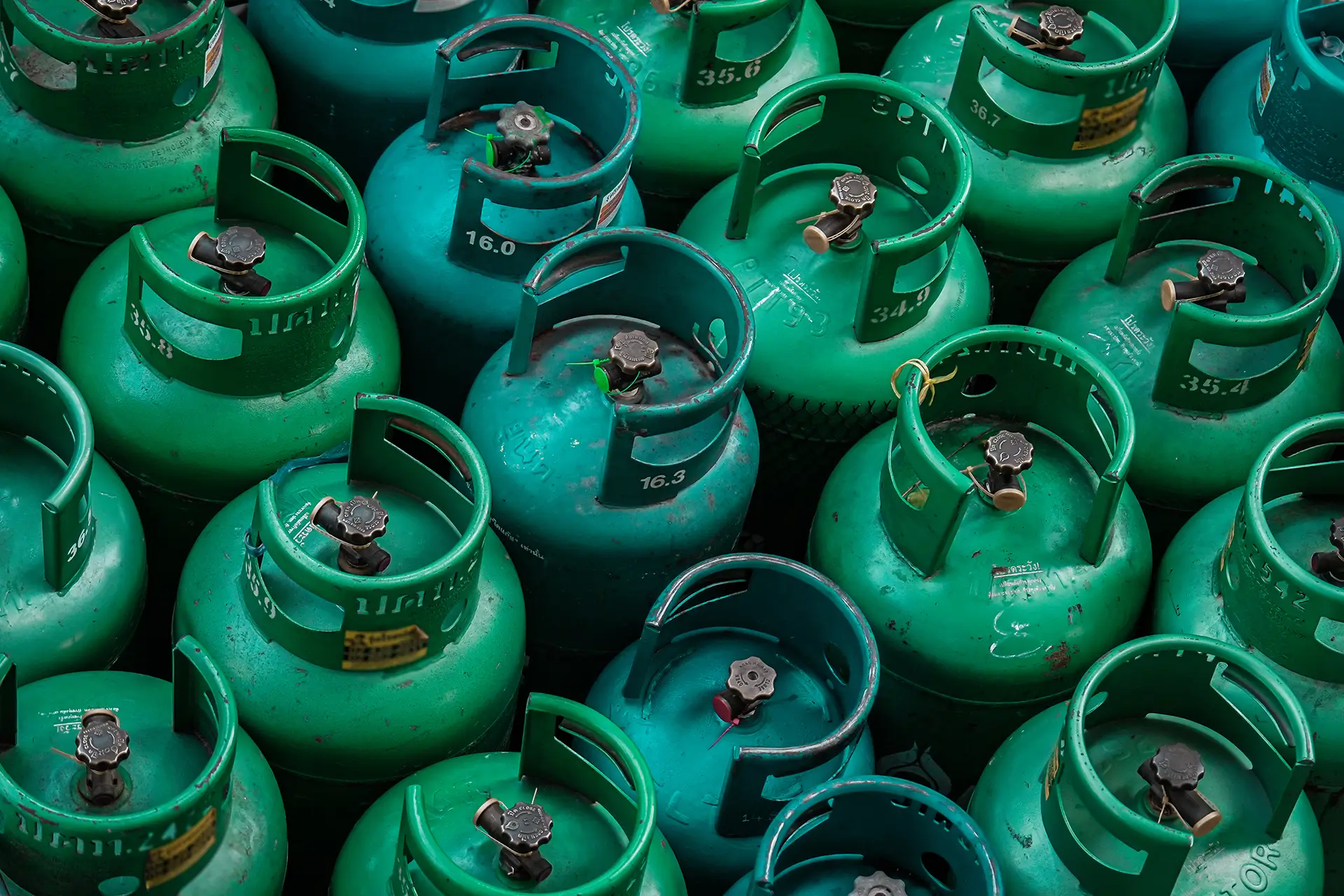
Refillable gas cylinders
Intended for non-professional use

Packaging for the Construction Industry
Or agricultural supplies
- Professional Packaging
-
Large containers and high-capacity containers
Bulk, flexible, or rigid
Plastic containers and crates larger than 15 L
Seafood crates, Gastronorm containers
Barrels, pails, jerry cans, and cans
> 29 L, octabins
In-Store Advertising
Serves a packaging function
Pallets, trays, straps
And palletizing components
Packaging for Inter-Company Transport and Shipping
Excluding e-commerce targeting households
Bundled Packages
Glass packaging specifically designed for the medical and veterinary sectors
Designed for use exclusively in healthcare facilities, laboratories, or animal breeding facilities
Retail packaging intended exclusively for professional use
For technical equipment, industrial products, professional devices, or specialized supplies
- Not affected
-
Mineral Oil Containers
Or synthetic or lubricating
Chemical Packaging
May pose a significant risk to health and the environment
Refillable gas cylinders
Intended for non-professional use
Packaging for the Construction Industry
Or agricultural supplies
Léko Pro helps you identify the packaging that falls under these regulations and manage your regulatory obligations with confidence.